Microsoft Cuts 4,800 Jobs While Doubling Down on Artificial Intelligence

Microsoft has announced the elimination of approximately 4,800 positions, accounting for roughly 2.1% of its total global workforce. The reduction, confirmed on July 6, 2026, represents the latest chapter in a broader structural transformation as the software giant seeks to balance the immense capital requirements of the generative AI era with the need for operational efficiency.
Context of the Restructuring
The layoffs follow a challenging first half of 2026, during which Microsoft shares experienced a nearly 23% decline—the company’s weakest performance in that timeframe since 2022. While these cuts impact various segments of the organization, they are concentrated heavily within the commercial business and the Xbox gaming division.
The gaming unit, in particular, is undergoing a significant “reset” under new leadership. Following the acquisition of major gaming entities in recent years, the division has struggled with thin profit margins—reportedly three to ten times lower than those of its key competitors. To rectify this, the company is divesting several development studios and restructuring its internal operations, with about 3,200 of the total job cuts specifically tied to the gaming sector.
The Financial Weight of Innovation
The timing of these reductions underscores a critical tension in the current technology landscape: the trade-off between aggressive AI infrastructure development and immediate profitability.
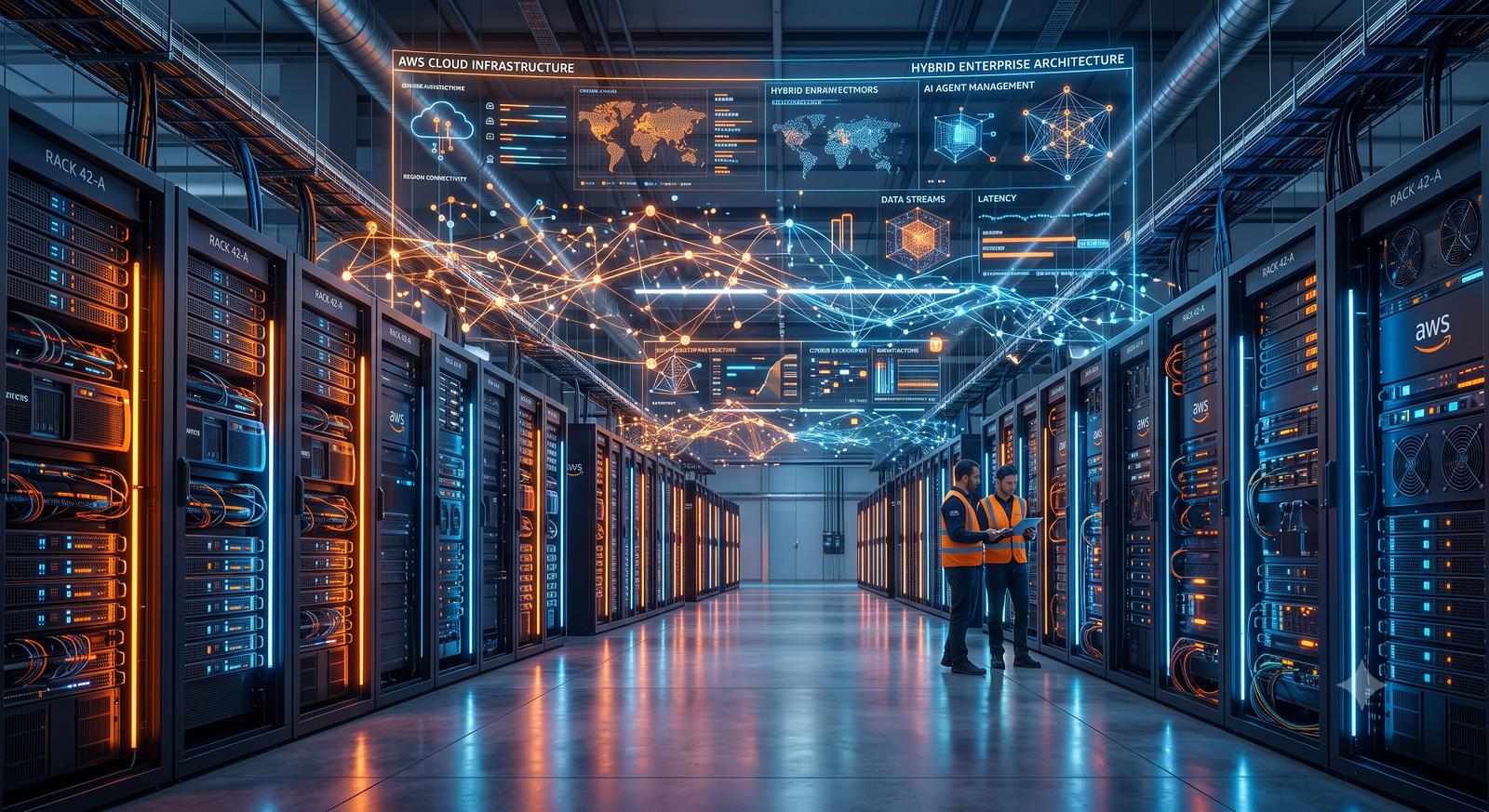
Microsoft, like other “Big Tech” leaders, is navigating a year of record-breaking capital expenditure, with company projections for 2026 spending reaching $190 billion. Much of this funding is directed toward building the data centers and specialized computing power required to scale AI services. However, as the cost of these investments climbs, shareholders are increasingly demanding clear evidence of returns. While the Azure cloud-computing business continues to see robust demand fueled by AI, the heavy cost of the underlying hardware—compounded by rising prices for memory chips and energy—is placing sustained pressure on the company’s cash flow.
Why This News Matters
This development is a bellwether for the broader tech industry. It signals a shift in the corporate narrative regarding artificial intelligence. For the past year, the industry focus has been largely on experimental adoption and “AI-first” marketing. Now, firms are moving toward a phase of integration where AI is viewed as a core, long-term business priority that must be fiscally self-sustaining.
By streamlining its organizational structure, Microsoft is aiming to optimize its resources. While executives have clarified that the current job cuts are not a direct “replacement” of humans by software, they have acknowledged that the nature of work is evolving. Automation is increasingly handling routine tasks, allowing the company to reallocate human capital toward high-priority engineering projects and enterprise client integration.
Future Outlook and Industry Impact
The long-term success of this strategy hinges on whether Microsoft can successfully pivot its workforce to support a more lean, AI-centric operation. For the tech sector at large, the move suggests that future growth will be defined less by headcount expansion and more by the ability to extract value from automation and generative tools.
Enterprise leaders and CIOs are closely watching these trends, as they anticipate a period of continued consolidation. As businesses across all sectors grapple with how to effectively deploy AI, Microsoft’s approach—prioritizing core AI infrastructure while trimming non-core or underperforming business units—will likely serve as a blueprint for others.
The path forward for Microsoft remains tied to its ability to demonstrate that its massive financial outlays in machine learning and data infrastructure will eventually yield a sustainable competitive advantage. As the company prepares its upcoming quarterly reports, the focus will remain on whether these structural changes can successfully stabilize margins and deliver the promised productivity gains of the next generation of computing.