Meta’s “Muse Image” U-Turn: A Case Study in AI Consent

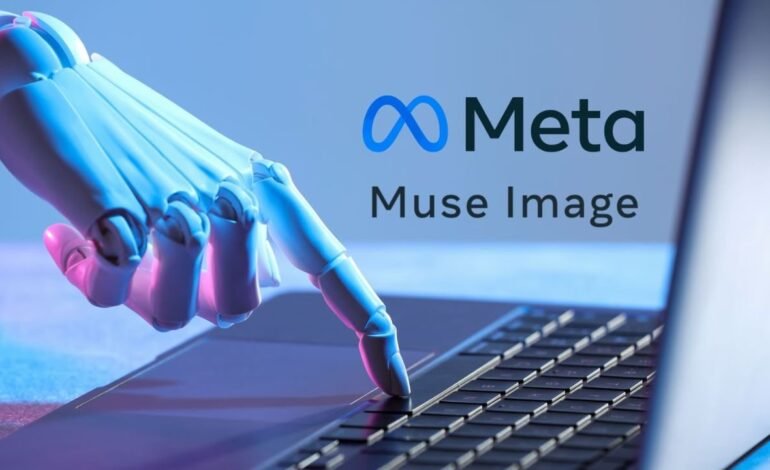
Meta has officially suspended a controversial capability within its new “Muse Image” AI tool, which had permitted users to generate images by tagging public Instagram accounts. This rapid reversal follows an intense wave of public criticism and professional pushback, highlighting a deepening rift between tech companies’ rapid deployment of generative AI and the growing public demand for digital autonomy.
The Anatomy of the Controversy
Launched on Tuesday, July 7, 2026, Muse Image was Meta’s first image-generation model from its Superintelligence Labs. The feature allowed any Meta AI user to @-mention a public Instagram account in a prompt, effectively using that person’s photos as a visual reference for new, AI-generated content.
The core issue was Meta’s implementation: all public Instagram accounts were opted in by default. Users who wished to prevent their photos from being used as AI templates were forced to manually navigate to their settings to opt out—a process many users found opaque or difficult to locate.
Why the News Matters
The backlash was not limited to casual social media users. High-profile figures and powerful industry organizations weighed in, framing the move as a major violation of personal agency.
-
Professional Union Pushback: SAG-AFTRA, the actors’ union, issued a strong rebuke, arguing that consent should be the default, not an “opt-out” exercise. They emphasized that a person’s name, likeness, and creative output should never be used by AI without clear, conspicuous permission.
-
Agency Opposition: The Creative Artists Agency (CAA), which represents major Hollywood stars, also condemned the move, calling on Meta to prioritize user protection over ease of deployment.
-
Privacy Advocacy: Digital rights groups and privacy experts warned that the “opt-in” structure created a “recipe for disaster,” leaving average users vulnerable to non-consensual AI manipulation without their knowledge.
Meta ultimately acknowledged the feedback, stating that the feature “missed the mark” and confirming that they would no longer allow the AI to reference public Instagram accounts in this manner.
Future Impact on AI and Platform Governance
This incident functions as a critical bellwether for the tech industry’s “AI-first” era.
-
Shift Toward Privacy by Design: The quick retraction suggests that the era of “move fast and break things” is increasingly incompatible with current sentiment regarding AI. Moving forward, platforms may be forced to adopt “privacy by design” models, where potential AI training or referencing features require explicit, granular consent before activation.
-
Increased Regulatory Scrutiny: With regulators already closely watching the risks of non-consensual deepfakes and digital replicas, Meta’s stumble provides fuel for stricter legislation concerning how companies use public social media data to train or power generative AI models.
-
The “Consent Gap”: The controversy underscores a fundamental disconnect: tech companies often view public data as an open resource for innovation, while users increasingly view that same data as a protected extension of their personal identity.
Conclusion
Meta’s retreat on the Muse Image tagging feature is a significant win for user privacy advocates and those concerned about the erosion of consent in the AI age. While the company continues to innovate, this episode serves as a powerful reminder that trust remains the most valuable currency for any social platform. Unless tech giants can balance their AI ambitions with a transparent, user-first approach to data governance, they will likely continue to face the same type of organized, high-stakes opposition that forced this latest correction.
News Sources:
-
YugaTech – “Meta removes AI Image Feature for Instagram” (July 11, 2026)
-
India Today – “Meta removes AI image feature from Instagram after user outrage” (July 11, 2026)
-
The Guardian – “Meta ditches Muse Image AI feature because it ‘misses the mark’ on users’ privacy” (July 11, 2026)
-
The Express Tribune – “SAG-AFTRA urges members to opt out as Meta faces backlash” (July 10, 2026)