AI Productivity Tools for Remote & Hybrid Teams: A 2026 Strategic Guide

In 2026, the primary challenge of remote and hybrid work is no longer connectivity—it is cognitive load. As digital workspaces become increasingly cluttered with endless message threads, back-to-back video calls, and fragmented task lists, the “productivity tax” of switching between tools has reached an all-time high.
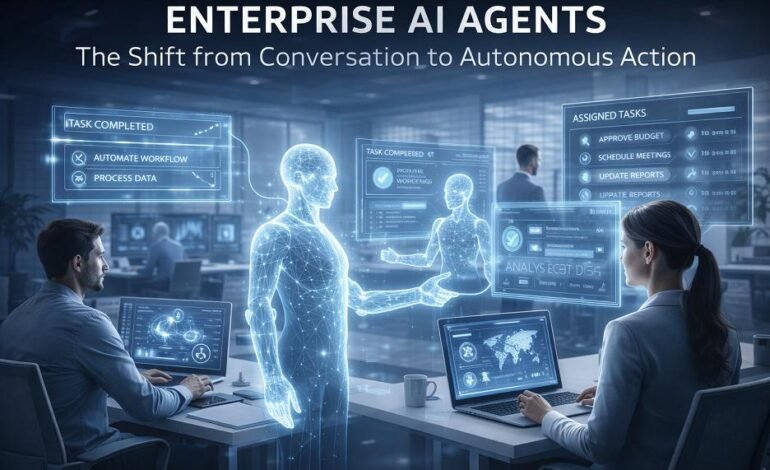
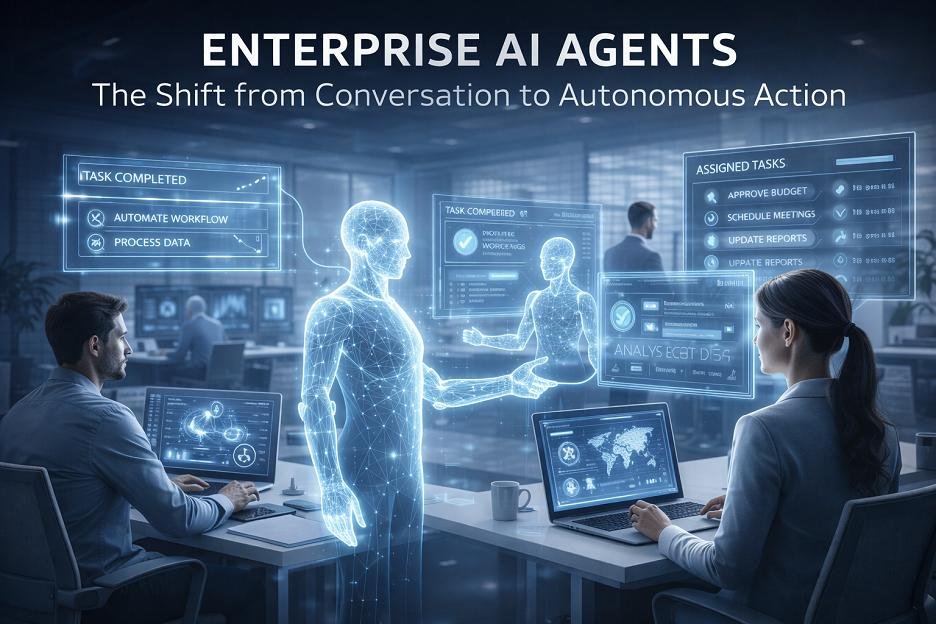
Enter the next generation of AI productivity tools. These are no longer mere “features”; they are intelligent agents that act as the connective tissue of the modern distributed workforce. From meeting assistants that eliminate the need for manual note-taking to task managers that auto-plan your day, AI is finally shifting the focus from “working more” to “working on the right things.”
AI Meeting Assistants: Transforming Conversations into Capital
In 2026, the “meeting that should have been an email” is becoming a relic of the past. AI meeting assistants have evolved from simple transcription bots into intelligent analysts that ensure every minute spent on camera generates actionable value.
The Leaders in Meeting Intelligence
-
Otter.ai & Fireflies.ai: These remain the industry gold standards for real-time transcription. However, their 2026 updates focus on “Conversation Intelligence”—identifying not just what was said, but the sentiment behind it and the specific “next steps” required.
-
Krisp: While often thought of as noise-cancelling software, Krisp’s AI now optimizes voice clarity and provides real-time “engagement insights,” helping presenters understand when their remote audience is losing focus.
-
Zoom AI Companion & Microsoft Copilot: For teams deep in the enterprise ecosystem, these native assistants provide a bot-free experience. They can summarize a 60-minute call into a 2-minute “Highlight Reel” with smart chapters and auto-assigned Jira or Trello tasks.
The Impact: Research from late 2025 indicates that teams using AI meeting assistants save an average of 4 hours per week previously spent on manual recaps and follow-up emails.
AI Task Management: The End of Decision Fatigue
One of the greatest drains on remote productivity is the “planning phase”—deciding what to work on next. Modern AI task management tools use predictive algorithms to eliminate this friction.
Intelligent Scheduling & Prioritization
-
Motion: Often called “the calendar that plans itself,” Motion uses AI to reshuffle your day the moment a new deadline appears. It treats your time as a finite resource, auto-booking “Deep Work” blocks around your meetings.
-
Reclaim.ai: Specifically designed for hybrid teams, Reclaim protects your personal boundaries by auto-syncing your “Habits” (like lunch or exercise) and ensuring they aren’t overridden by over-eager meeting requests.
-
Asana Intelligence: Asana has moved beyond simple to-do lists. In 2026, “AI Teammates” can autonomously triage incoming requests, draft project plans based on historical data, and predict which milestones are at risk of slipping before it happens.
Workflow Automation: Building Your Digital Spine
If meetings are the brain of a team, workflow automation is the spine. In 2026, the barrier to building complex automations has dropped to zero thanks to Natural Language Processing (NLP).
No-Code to AI-Code
-
Zapier Central: The classic automation tool has evolved into a “Central” hub where users can talk to AI agents to build zaps. Instead of manual mapping, you simply say, “Every time a lead from my website fills out a form, summarize their LinkedIn profile and ping the sales channel in Slack.”
-
Make (formerly Integromat): For more complex logic, Make’s visual builder now includes “AI Suggesters” that identify bottlenecks in your workflow and propose more efficient branching logic.
-
Microsoft Power Automate: For the enterprise, this tool uses Copilot to turn a simple text prompt into a fully functional, cross-app automation that links legacy databases with modern cloud apps.
Collaboration AI: Enhancing the Human Element
The ultimate goal of Collaboration AI is to bridge the “empathy gap” inherent in remote work. These tools ensure that context is never lost across time zones or channels.
Synchronizing Distributed Teams
-
Slack AI: The 2026 version of Slack uses “Channel Recaps” to summarize hundreds of unread messages into a few bullet points, allowing you to catch up on a morning’s worth of discussion in 30 seconds.
-
Notion AI: By turning a messy page of brainstorming notes into a structured project brief or a table of tasks, Notion acts as the “Knowledge Hub” that keeps hybrid teams aligned on the “source of truth.”
-
Miro AI: Visual collaboration has been revolutionized. Miro can now turn a chaotic collection of digital sticky notes into a structured mind map or a polished presentation with a single click.
Summary: Navigating the “Hybrid Paradox.”
The “Hybrid Paradox” states that while employees want the flexibility of remote work, they often struggle with the isolation and administrative overhead it brings. AI productivity tools are the solution. By 2026, the distinction between “software” and “assistant” has blurred.
Organizations that successfully integrate these tools don’t just see a boost in output; they see a reduction in employee burnout. When the AI handles the “busy work”—the scheduling, the note-taking, and the data entry—humans are finally free to do the “high-value work”: the thinking, the creating, and the connecting.