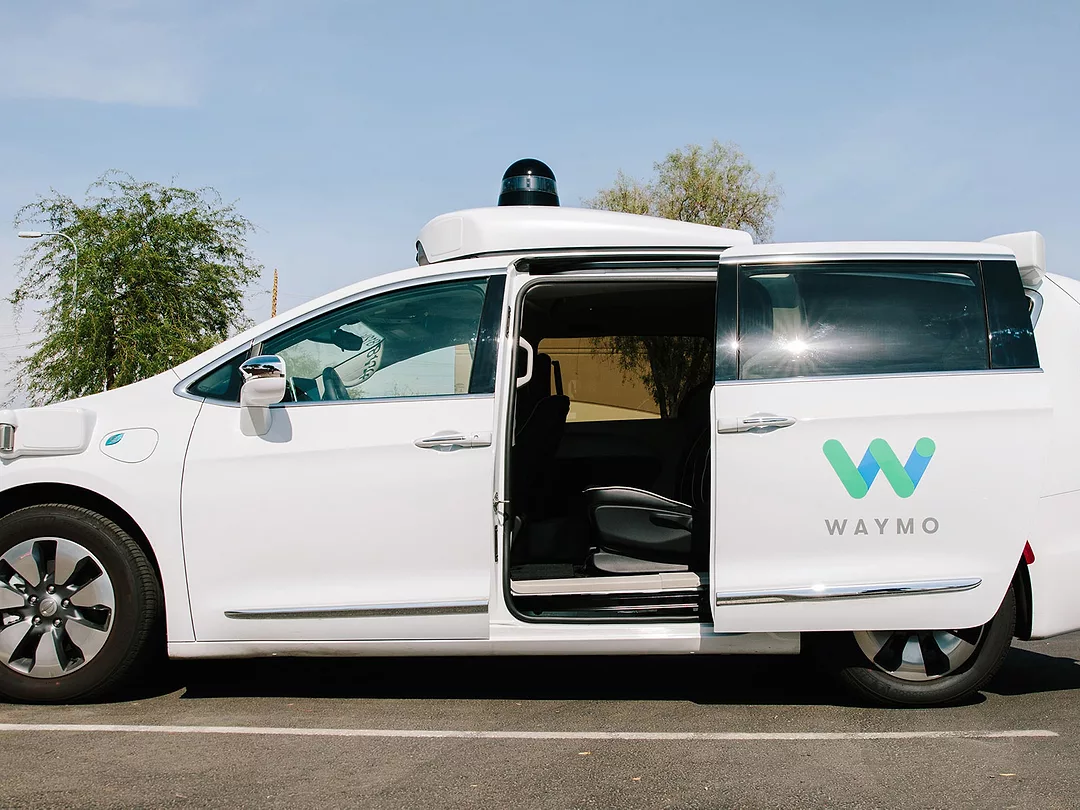
Waymo Hits 500,000 Paid Robotaxi Rides a Week as Self-Driving Cars Scale Up

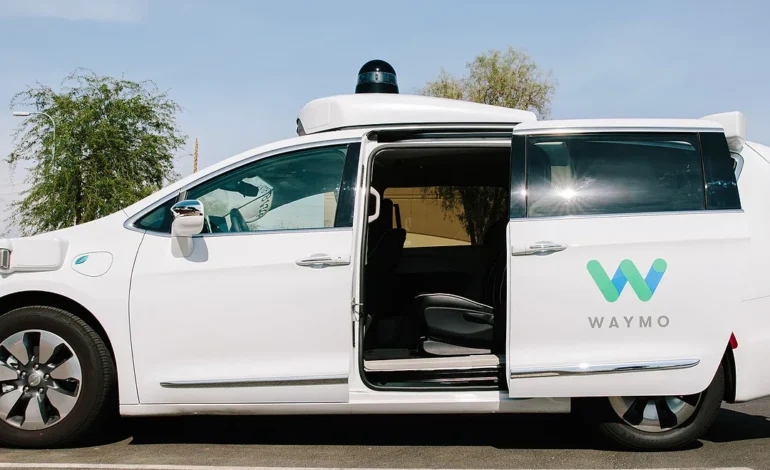
SAN FRANCISCO — Alphabet Inc.’s Waymo is now completing 500,000 paid robotaxi rides every week across the United States. The milestone marks a rapid acceleration in consumer adoption and signals the company’s transition from a highly capitalized research project into a functioning commercial transit network.
The half-million mark highlights a steep operational climb for the self-driving technology developer. Waymo has effectively doubled its weekly passenger throughput in less than a year, having first crossed the 250,000-ride threshold last spring.
For the autonomous vehicle industry, the sheer volume of Waymo’s weekly trips establishes a new commercial baseline. Processing 500,000 paid fares every seven days requires heavy supply chain logistics, reliable dispatch systems, and consistent consumer demand. It also distances Waymo from domestic competitors who are still primarily operating in testing or limited-beta phases.
Building a Hardware Pipeline
To handle the surge in ridership, Waymo has aggressively expanded its physical fleet. The company currently operates nearly 4,000 robotaxis in public commercial service across 10 U.S. metropolitan areas.
Much of this recent vehicle growth stems from electric vehicles manufactured by Zeekr. Waymo has imported thousands of the purpose-built EVs into the U.S., absorbing significant tariffs to build out its fleet. The vehicles arrive without Chinese connectivity hardware to comply with U.S. regulations. Waymo then retrofits the cars with its proprietary sensor suites and onboard computers at an integration facility in Mesa, Arizona, operated alongside auto supplier Magna.
The capital required to operate at this scale remains immense, but private markets have continued to finance the expansion. Earlier this year, Waymo closed a $16 billion funding round backed by Alphabet and outside firms including Dragoneer, DST Global, and Sequoia Capital. That investment pushed the company’s post-money valuation to roughly $126 billion.
The Uber Distribution Channel
Waymo’s growth is partly driven by a strategic distribution partnership with Uber. Rather than relying entirely on its standalone app to acquire customers, Waymo allows riders in select markets to book its autonomous vehicles directly through the Uber platform.
This relationship benefits both companies. Uber gains fleet utilization without having to develop self-driving software, while Waymo taps into a massive pool of existing ride-hail users to keep its vehicles occupied.
The partnership recently deepened in Texas. In late August, Uber announced that riders in Austin would gradually begin taking Waymo vehicles on eligible freeway routes. Moving autonomous operations onto highways is a critical technical step, as it significantly reduces travel times for cross-city trips and airport runs compared to navigating local surface streets. Atlanta and Austin are both key growth targets where the two companies have integrated their services.
The Competitor Gap
As Waymo scales, the distance between the Alphabet subsidiary and its U.S. rivals is becoming clearer.
Amazon’s Zoox has accrued a waitlist of more than 500,000 people and plans to test its custom-built vehicles in cities like Houston and Miami. Yet Zoox’s broad commercial footprint remains primarily limited to Las Vegas, and it relies heavily on retrofitted test vehicles when mapping new territories before deploying its purpose-built hardware.
Tesla has also promised an aggressive push into the robotaxi space, but its fully unsupervised deployment remains vastly smaller in scale. Filings indicate Tesla operates only a small fraction of the autonomous vehicles Waymo currently manages on public roads.
Internationally, Chinese operators Apollo Go and Pony.ai are operating at substantial scale, with Apollo Go logging millions of rides and Pony.ai managing fleets that rival Waymo’s size. But within the U.S., Waymo is functionally operating in a category of its own.
Economics and Safety at Scale
Scale is the defining factor in autonomous driving economics. More miles driven generates more training data, which in turn improves the driving software and builds rider trust. Waymo’s fleet has now logged more than 200 million fully autonomous miles.
The business model is highly capital-intensive upfront, but financial analysts see a path to profitability. Analysts at Goldman Sachs project that vertically integrated operators—companies that both build the technology and run the ride-hailing fleets—could eventually see gross margins between 30% and 50%. The firm estimates the total cost of goods sold per mile could drop below $1 in the U.S. over the next decade.
Safety remains the central regulatory focus as fleet sizes grow. Operating thousands of driverless cars across major cities inevitably results in corner cases and complex traffic interactions. Federal agencies, including the National Highway Traffic Safety Administration, maintain ongoing oversight of Waymo’s vehicles following isolated incidents involving stopped school buses and unpredictable pedestrian movements.
However, Waymo has managed to avoid the kind of catastrophic operational shutdown that rival Cruise faced in late 2023. By keeping collision rates well below human baselines, the company has managed to maintain its commercial permits and public trust.
Waymo co-CEOs Tekedra Mawakana and Dmitri Dolgov have indicated the company aims to cross the one-million weekly ride threshold by the end of 2026. Based on their current trajectory, that target appears well within reach.