Why Apple Just Raised Mac and iPad Prices Globally

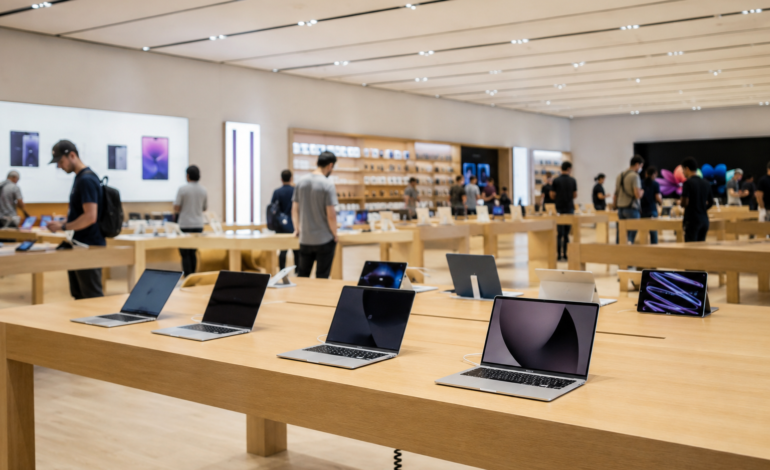
In a rare departure from its traditional product cycle strategy, Apple Inc. implemented a sweeping series of price increases across its personal computing and tablet portfolios. The adjustments, which went into effect globally without prior consumer warning, have raised the retail cost of standard Mac and iPad models by 15 to 30 percent. High-end custom configurations saw even sharper increases, with some professional desktop machines climbing by more than $1,000.
The hardware price revisions represent one of the most significant single-day adjustments in Apple’s corporate history. In an official statement acknowledging the changes, Apple pointed directly to structural imbalances in the global semiconductor supply chain, specifically a dramatic escalation in the cost of memory and storage components. The operational strains are not isolated to the iPhone maker; Microsoft Corp. simultaneously confirmed pricing adjustments for its hardware lines, indicating that the multi-billion-dollar corporate expenditure on artificial intelligence infrastructure is beginning to dictate the cost of consumer electronics.
Background
Apple has historically maintained rigid price points for its hardware, standardizing entry tiers across generations to protect consumer demand while managing its internal margins through long-term component purchasing agreements. By leveraging its immense purchasing volume, the company has frequently insulated its consumer base from macroeconomic fluctuations, including localized inflation and currency volatility.
When component pricing shifted in prior years, Apple opted to alter base specifications—such as adjusting starting storage capacities—rather than changing the face value of a product mid-cycle. This current intervention points to an entirely different scale of economic pressure. The rapid growth of enterprise AI operations over the last 24 months has altered the purchasing landscape for raw components, creating a market environment where consumer technology brands must choose between absorbing severe margin erosion or passing structural manufacturing costs directly to the end user.
Speaking to the Wall Street Journal shortly before the pricing adjustments were formalized, outgoing Apple Chief Executive Tim Cook warned that hardware price increases had become unavoidable. Cook noted that the intersection of constrained component supplies and aggressive enterprise purchasing created an exceptional market distortion, describing the phenomenon as a supply-side disruption that could not be absorbed by corporate efficiency measures alone.
Key Developments
The pricing revisions span nearly the entirety of Apple’s personal computing and tablet devices, leaving only the primary iPhone line untouched for the immediate quarter. Mainstream laptops like the MacBook Air saw standard retail pricing climb significantly, while specialized hardware saw much larger adjustments.

The baseline MacBook Air now starts at $1,299 in the United States, up from its long-held baseline of $1,099. Professional notebooks experienced a parallel upward shift; the entry-level 14-inch MacBook Pro configured with the standard M5 processor rose from $1,699 to $1,999. The most severe sticker shock occurred in the desktop enterprise market, where the base model of the Mac Studio equipped with an M3 Ultra processor jumped by $1,300, shifting its entry price from $3,999 to $5,299.
The adjustments applied equally to entry-level consumer models and secondary hardware ecosystems. The compact Mac mini rose by $200 to enter the market at $799, while secondary smart home and entertainment accessories like the Apple TV 4K and standard HomePod saw double-digit percentage increases.
Comparative Hardware Price Adjustments (US and India Markets)
| Hardware Model | Previous US Retail Price | New US Retail Price | US Dollar Increase | New India Retail Price | India Percentage Hike |
| MacBook Neo | $599 | $699 | $100 | ₹79,900 | 14.3% |
| MacBook Air 13-inch (M5) | $1,099 | $1,299 | $200 | ₹1,49,900 | 25.0% |
| MacBook Air 15-inch | $1,299 | $1,499 | $200 | ₹1,79,900 | 24.2% |
| MacBook Pro 14-inch (M5) | $1,699 | $1,999 | $300 | ₹2,39,900 | 41.2% |
| iMac (M4) | $1,299 | $1,499 | $200 | ₹1,74,900 | 29.7% |
| Mac mini (M4, 256GB) | $599 | $799 | $200 | ₹94,900 | 58.4% |
| Mac Studio | $1,999 | $2,499 | $500 | ₹2,79,900 | 30.3% |
| iPad (128GB Base) | $349 | $449 | $100 | ₹49,900 | 43.0% |
| iPad Air 11-inch (M4) | $599 | $749 | $150 | ₹89,900 | 38.5% |
| iPad Pro 11-inch (M5) | $999 | $1,199 | $200 | ₹1,39,900 | 40.0% |
The geographic variance in the pricing structure highlights how global distribution and import mechanics compound component-level inflation. In international markets like India, the combination of hardware cost increases and local tax regimes resulted in sharp pricing leaps. The 14-inch MacBook Pro jumped by ₹70,000 to land at ₹2,39,900, while the base Mac mini saw its local cost jump by 58.4 percent, a revision driven in part by configuration rollbacks that altered the standard baseline storage metrics available to consumers.
Why It Matters
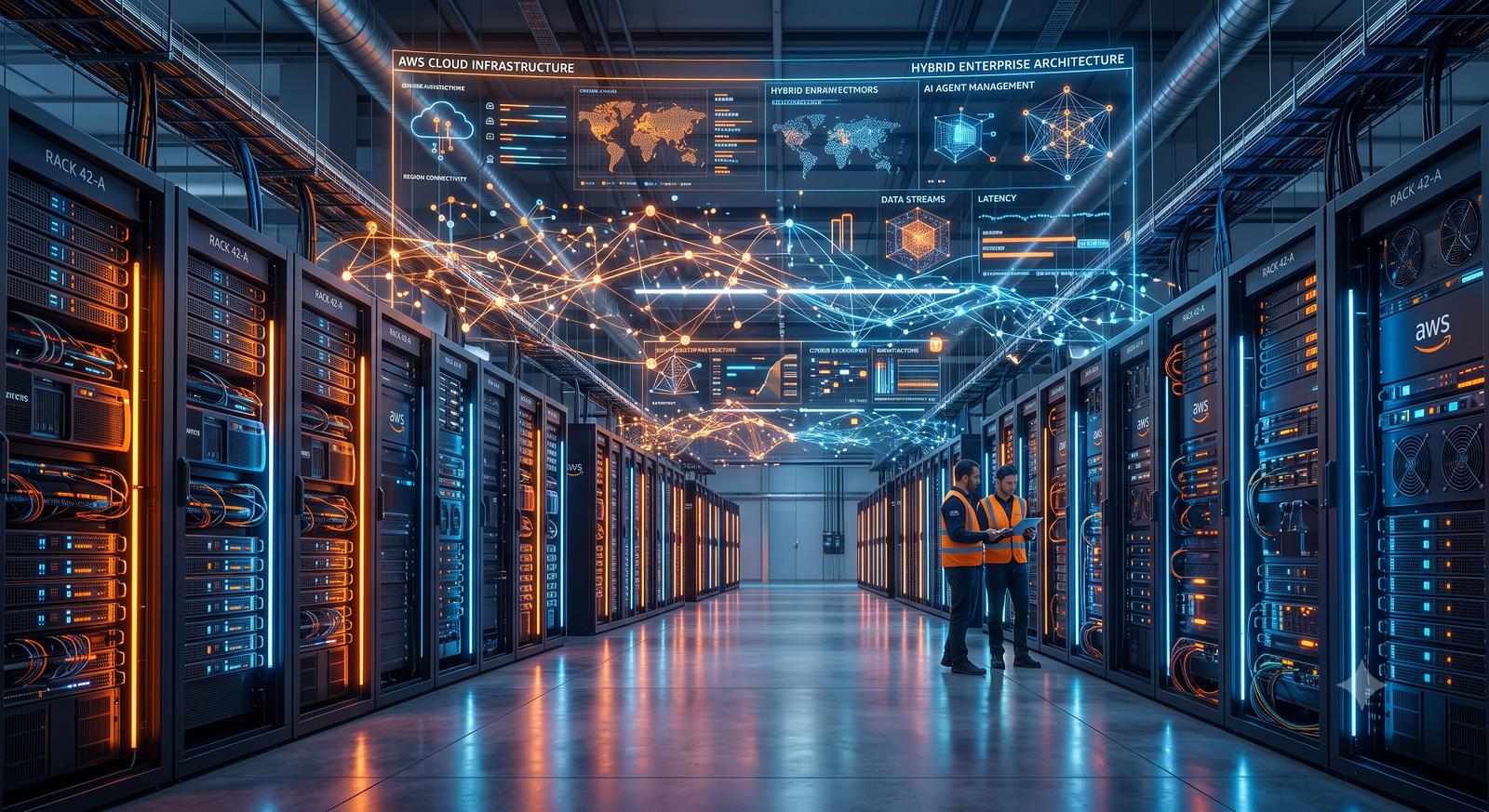
The primary driver behind this sudden adjustment is an acute structural shortage in the memory and storage markets, catalyzed directly by the building of global AI data centers. Hyper-scale cloud providers, enterprise software developers, and chip designers are currently locked in a capital-intensive race to establish computational capacity. This infrastructure wave requires immense volumes of High Bandwidth Memory (HBM) alongside high-density enterprise DDR5 RAM and non-volatile NAND flash storage.
Faced with massive, high-margin orders from data center operators, semiconductor memory manufacturers, including SK Hynix, Samsung Electronics, and Micron Technology, have optimized their production lines to satisfy enterprise contracts. This operational realignment has significantly constrained the supply of civilian-grade memory modules destined for smartphones, personal computers, and tablets.
“The rapid expansion of AI data centers has created an extraordinary surge in demand for memory and storage,” an Apple corporate spokesperson stated following the pricing change. “We have never seen a component price increase this much, this quickly. We have shielded our customers from these increases so far, but we have reached a point where we need to begin raising prices on a number of products.”
Industry trade data compiled by analysts shows that bulk prices for memory components have experienced consecutive quarterly increases of at least 50 percent since the final months of 2025, with some standard memory configurations effectively quadrupling in cost over a 12-month window. Because on-device AI integration requires larger physical pools of unified memory to process local models efficiently, Apple can no longer lower costs by reducing standard memory specifications without compromising the functional integrity of its software ecosystems.
Industry Perspective
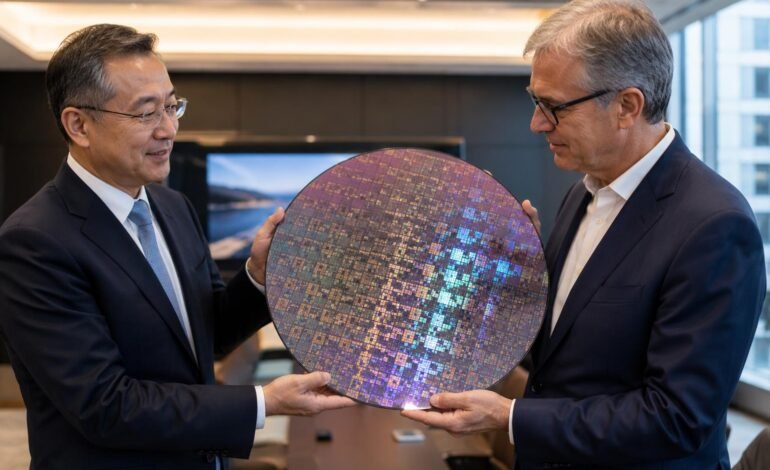
The cost escalation is further intensified by pricing revisions at the foundry level. Taiwan Semiconductor Manufacturing Company (TSMC), the exclusive manufacturer of Apple’s custom A-series and M-series processors, has systematically informed its primary client base of broad price adjustments across its entire advanced chipmaking portfolio.
Reports from semiconductor supply chains confirm that TSMC is instituting a 5 to 10 percent price hike spanning its advanced nodes, which include its 7nm, 5nm, and mainstream 3nm manufacturing processes. Collectively, these advanced fabrication nodes generate approximately 74 percent of TSMC’s total wafer revenue. The company’s 3nm lines are under extreme capacity constraints, with utilization rates hovering at absolute maximums due to overlapping production demands from Nvidia, Advanced Micro Devices, Qualcomm, and Apple.
TSMC’s executive management has defended the pricing corrections as a strategic reflection of rising operational overhead. The foundry operator is managing significant capital expenditures tied to geographical diversification, including building and equipping highly advanced fabrication facilities in the United States, Japan, and Germany. These international expansion projects carry substantially higher construction, regulatory, and labor costs than TSMC’s domestic operations in Taiwan. Combined with sustained industrial inflation and elevated energy costs, these expenses have forced contract manufacturers to protect their long-term gross margins by passing structural costs downstream to product designers.
Market or Consumer Impact
The immediate market reaction to Apple’s pricing adjustments reflected Wall Street’s anxiety over consumer elasticity. Following the corporate announcement, Apple shares fell by more than 6 percent, marking the steepest single-day decline for the equity since the implementation of international trade tariffs in early 2025.
Market analysts are assessing whether consumers will accept the elevated pricing tiers or choose to delay standard upgrade cycles. The timing of the price hikes is particularly sensitive, arriving right before the peak educational back-to-school purchasing season. For mainstream buyers, the higher point of entry for standard devices like the MacBook Air and iPad Air may redirect purchasing interest toward competitive Windows-based platforms or mid-tier Chromebook hardware.
Consumer technology analysts note that these revisions alter the broader competitive balance of the consumer hardware market. Mainstream consumer notebooks that formerly held strong value propositions due to their entry-level cost are now pushed into premium pricing bands. This shift forces consumers to evaluate hardware on utility rather than brand loyalty alone.
The strategy has also impacted secondary hardware paths. Apple quietly updated its online storefront to increase prices on certified refurbished items. This adjustment indicates that the company is actively realigning its entire hardware margin structure rather than treating the component shortage as a short-term operational bottleneck.
Future Outlook
The broader question confronting consumer technology markets is the pricing trajectory of the smartphone sector. While Apple preserved current iPhone pricing in this specific mid-year revision, the underlying component reality suggests this status quo is temporary. The next generation of premium smartphones will require substantial configurations of advanced RAM and custom silicon to process complex, on-device AI workloads.
Independent electronics sector commentators expect these hardware pressures to manifest as standard retail price jumps when premium autumn product lines are introduced. Base pricing for next-generation smartphone models is projected to climb by $50 to $150 across the board, varying by model and local storage tiers.
Microsoft’s parallel move to increase retail pricing for high-capacity models of its Xbox gaming consoles by up to $150 underscores that this development is not an isolated corporate initiative by Apple. Instead, it serves as an industry-wide baseline correction. The consumer electronics market is transitioning out of an era defined by cheap, abundant silicon and moving into an operational phase where consumer pricing is directly dictated by enterprise competition for semiconductor manufacturing capacity.
Conclusion
Apple’s decision to execute mid-cycle price hikes across its Mac and iPad portfolios marks a clear end to predictable consumer technology pricing. By citing the severe component constraints imposed by the enterprise artificial intelligence boom, the company has clarified that consumer hardware can no longer be decoupled from global data center infrastructure demand. As manufacturing costs rise at primary foundries and memory suppliers maximize their returns on enterprise hardware, the financial realities of the AI investment cycle have arrived directly on the retail showroom floor.
Frequently Asked Questions (FAQs)
1. Which specific Apple products received price increases?
Apple raised prices across almost its entire personal computer and tablet lines, including the MacBook Air, MacBook Pro, MacBook Neo, iMac, Mac mini, Mac Studio, iPad, iPad mini, iPad Air, and iPad Pro. Secondary accessories like the Apple TV 4K and HomePod also saw higher retail prices.
2. Why did Apple raise prices in the middle of a product cycle?
The company cited an unprecedented surge in the cost of memory (RAM) and storage components. Global demand for these parts has dramatically outpaced manufacturing capacity, forcing Apple to adjust retail pricing to maintain its operating margins.
3. How does the expansion of AI data centers affect consumer Mac and iPad pricing?
AI data centers require massive quantities of specialized memory and high-capacity storage to train and run complex enterprise models. Memory manufacturers have shifted production toward these highly profitable enterprise contracts, creating a severe supply shortage of consumer-grade memory chips.
4. Did iPhone prices go up as well?
No, iPhone prices remained unchanged during this specific round of price revisions. However, market analysts expect that next-generation iPhone models arriving later this year will face similar upward price adjustments due to the same component cost pressures.
5. How much did the base MacBook Air price increase?
In the United States, the base model 13-inch MacBook Air increased by $200, moving from its previous retail price of $1,099 to a new starting price of $1,299.
6. What was the largest price increase among the affected products?
The largest single increase occurred on the enterprise-focused Mac Studio equipped with the M3 Ultra chip, which jumped by $1,300 in the United States, moving from $3,999 to a new entry price of $5,299.
7. Is TSMC also responsible for the higher hardware costs?
Yes. TSMC, which manufactures Apple’s custom processors, has instituted a 5 to 10 percent price increase across all of its advanced chip fabrication nodes due to rising operational overhead, energy costs, and expensive international factory expansions.
8. Did Apple change the hardware specifications to match the higher prices?
No, the baseline hardware specifications remained identical to their launch states for most models, meaning consumers are paying more for the same configurations. In some specific instances, like the base Mac mini in international markets, configuration baselines were reverted.
9. Are other technology companies raising prices for similar reasons?
Yes. Microsoft simultaneously confirmed price increases of $100 to $150 for its higher-tier Xbox console configurations, citing the identical problem of rising storage and memory module costs across the broader hardware industry.
10. Did Apple’s refurbished store prices change?
Yes. Apple realigned its entire pricing structure, which included raising the prices of its certified refurbished inventory online to keep pace with the higher baseline costs of new retail devices.