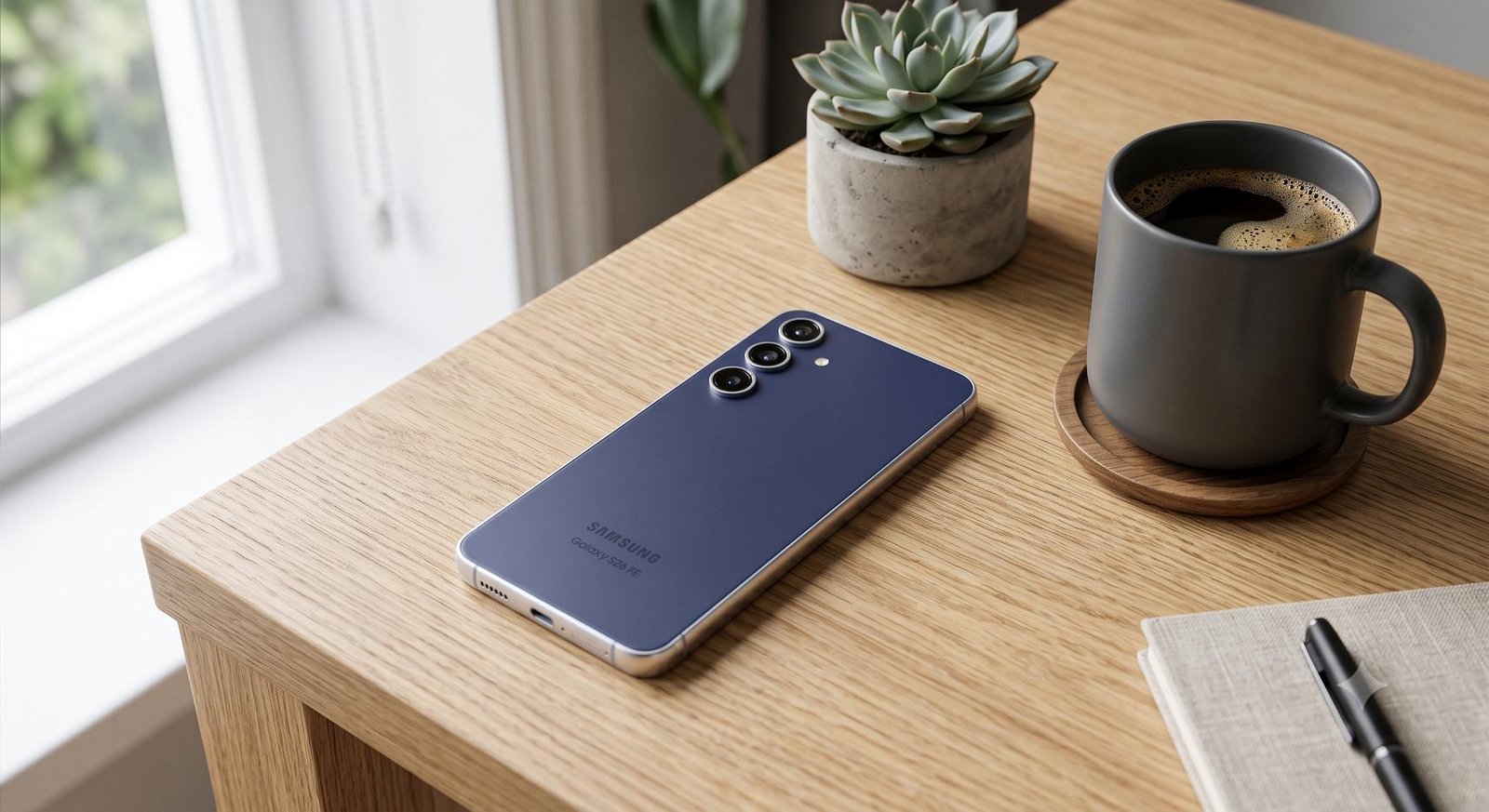
Samsung Unpacked 2026: Galaxy Z Fold 8 Ultra, Z Flip 8, and AI Smart Glasses Officially Unveiled

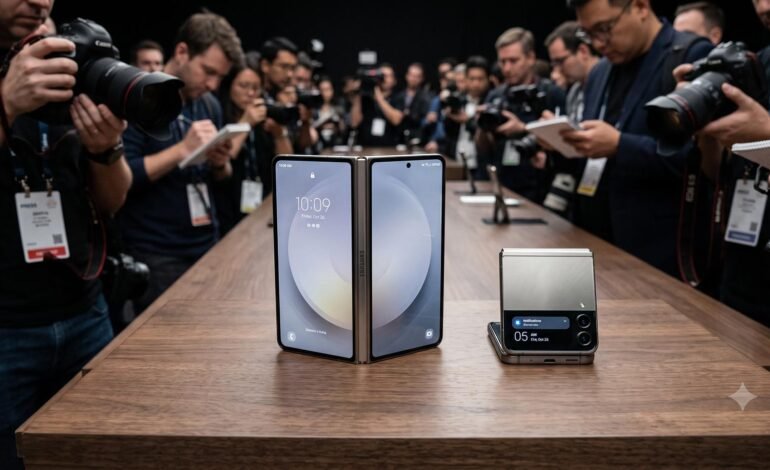
Samsung Electronics expanded its device portfolio in London on Wednesday, introducing a redesigned lineup of foldable smartphones, new smartwatches, and officially entering the smart eyewear market. At the July 2026 Galaxy Unpacked event, the company announced the Galaxy Z Fold 8 Ultra, a wider Galaxy Z Fold 8, the Galaxy Z Flip 8, and a new pair of AI-powered smart glasses developed with Google.
The new product portfolio pushes the physical limits of device engineering. Samsung relied heavily on high-density silicon-carbon batteries and titanium structures to dramatically reduce device thickness without compromising daily endurance. The launch also represents Samsung’s most aggressive pricing strategy to date, as the company absorbs rising memory costs and positions its top-tier foldables firmly above traditional flagship smartphones.
The $2,100 Galaxy Z Fold 8 Ultra
At the top of the mobile lineup sits the Galaxy Z Fold 8 Ultra, a device that serves as the direct successor to last year’s Galaxy Z Fold 7. Priced at $2,100 in the United States, the Ultra model is designed for users who want to bridge the gap between pocketable phone convenience and tablet-like productivity.
The Fold 8 Ultra measures just 4.1 millimeters thick when unfolded and weighs 215 grams, marking it as the slimmest device in Samsung’s foldable history. Unfolding the phone reveals an 8-inch QXGA+ Dynamic AMOLED 2X inner display that achieves a peak brightness of 3,000 nits and features a new anti-reflective finish designed for outdoor visibility.
To achieve this thin profile without sacrificing battery life, Samsung transitioned the device to a silicon-carbon battery system. By utilizing a silicon anode, which can store significantly more lithium per unit of volume than the graphite anodes used in standard lithium-ion cells, engineers managed to fit a 5,000mAh dual-battery system into the chassis. The device supports 45W wired charging.
The camera array on the Ultra model also received a substantial hardware upgrade. It includes a 200-megapixel main sensor equipped with optical image stabilization, a 50-megapixel ultra-wide camera with macro support, and a 10-megapixel telephoto lens providing 3x optical zoom. Samsung has aimed the device at mobile content creators, integrating 8K video recording through its APV codec and offering Cine LUT controls that allow users to adjust the color and tone of their footage directly on the device.
A Redesigned “Passport” Galaxy Z Fold 8
While the Ultra model iterates on a familiar vertical design, the standard Galaxy Z Fold 8 introduces a completely new form factor for Samsung. Abandoning the tall, narrow proportions of earlier models, the standard Fold 8 adopts a shorter, wider “passport-style” design. Industry observers view this wider aspect ratio as a strategic move to preempt the rumored Apple foldable iPhone expected in the coming years.
This $1,900 device caters to users who prioritize daily portability and comfortable one-handed use when closed. It weighs 201 grams and houses a 7.6-inch main display alongside a wider external screen that functions more like a conventional smartphone.
Internally, it uses the same Flex Titanium display structure as the Ultra. This structural technology pairs a titanium-alloy film with an enhanced titanium plate beneath the screen. According to Samsung, this new stack absorbs impact better, improves the tension of the display, and significantly reduces the visibility of the center crease over the lifespan of the device. The standard Fold 8 features a 4,800mAh silicon-carbon battery and a dual 50-megapixel camera setup, omitting the dedicated telephoto lens found on the Ultra.
Both Fold devices run on Qualcomm’s customized Snapdragon 8 Elite Gen 5 for Galaxy processor, paired with up to 16GB of RAM to handle complex local computational tasks.
The Galaxy Z Flip 8 Slims Down
Samsung’s clamshell foldable, the Galaxy Z Flip 8, focuses entirely on slimming down the pocketable format. At 6.1 millimeters unfolded and just 180 grams, it is the lightest and thinnest Flip model Samsung has released to date.
The device retains a 6.9-inch main display and a prominent 4.1-inch external FlexWindow. Samsung designed the software for the external screen so that users can run full applications, manage their calendars, and utilize AI reply prompts without needing to physically open the phone. The Flip 8 starts at $1,200, representing a $100 increase over the previous generation in the US market. Unlike previous years, Samsung did not announce a cheaper Fan Edition version of the Flip.
Smartwatches Step Up in Brightness and Battery
Samsung also refreshed its wearable lineup with the Galaxy Watch 9 and the Galaxy Watch Ultra 2.
The $699 Galaxy Watch Ultra 2 stands out with a 47-millimeter circular display that reaches a peak brightness of 5,000 nits, making it one of the brightest smartwatch displays on the market. It features a titanium casing that is 12 percent thinner than its predecessor, yet manages to house a larger 800mAh battery. Samsung rates the battery life at up to 60 hours even with the always-on display enabled.
Both watches are powered by the Snapdragon Wear Elite platform and include new health metrics, such as a Heart Health Score and Daily Cardio Load tracking. The Ultra 2 adds exclusive features aimed at athletes, including a Trail Run mode that tracks elevation changes, real-time hydration guidance based on sweat loss, and an upcoming diving application. The standard Galaxy Watch 9 brings the same processing power and core health tracking to a wider audience, available in 40mm and 44mm sizes.
Entering the Eyewear Market
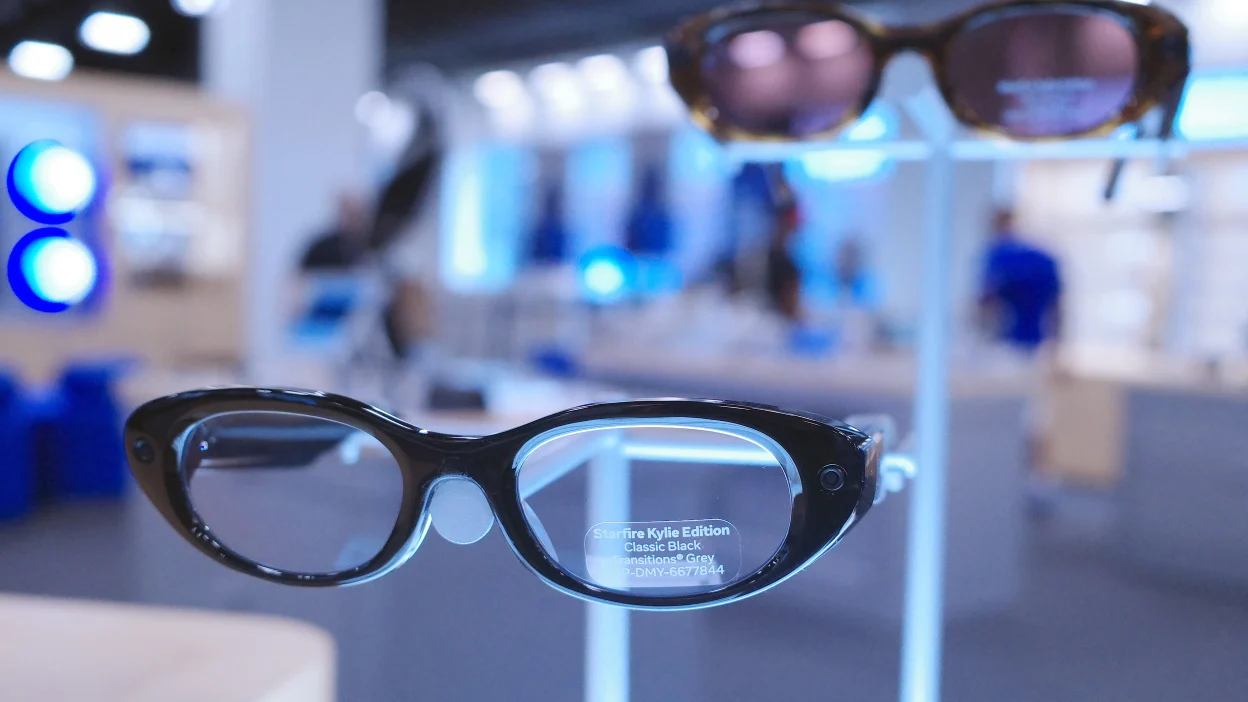
Beyond phones and watches, Samsung used the London event to introduce its first intelligent eyewear, a product category intended to challenge Meta’s established Ray-Ban smart glasses. The intelligent eyewear marks a significant shift in Samsung’s wearable strategy. While the company has spent years outfitting the wrist, the face represents a highly contested new surface for personal computing.
Developed in partnership with Google, Gentle Monster, and Warby Parker, the Galaxy Glasses run on Google’s Android XR platform. The wearable weighs roughly 50 grams and uses the Snapdragon AR1 Gen 1 platform for on-device processing. By partnering with Warby Parker and Gentle Monster, Samsung is signaling that aesthetics and traditional frame design will be just as important as the technology inside.
The glasses integrate a built-in camera to capture visual context and use Google’s Gemini assistant to provide hands-free AI support based on what the user is seeing and hearing. According to Samsung, the device operates for up to nine hours on a single charge, and the accompanying charging case holds an additional seven full charges.
The company presented the glasses as an “upcoming” product rather than a device ready for immediate retail availability, with shipping expected to begin in select markets this fall at an estimated price of $379 to $499.
Software and Agentic AI
The connecting thread across the newly announced hardware is software integration. The foldables launch with Android 17 and Samsung’s One UI 9.
Instead of treating artificial intelligence as a separate chat application, One UI 9 introduces a more proactive AI layer that works quietly in the background. A new feature called Nudge analyzes on-screen conversations to identify plans and suggests relevant actions, such as checking calendar availability, booking a table, or saving navigation routes directly into mapping software.
Samsung also addressed data privacy concerns associated with constant AI processing. A Personal Data Engine ensures that processing remains on the device, while Knox Enhanced Encrypted Protection isolates personal data from the broader operating system. An AI Assistant Activity dashboard logs every automated action, providing users with a clear audit trail of what the system is doing on their behalf.
To facilitate switching from competing operating systems, Samsung introduced a QR code-based Smart Switch feature for iPhone users. This tool streamlines the wireless transfer of contacts, photos, passwords, and accessibility settings without requiring users to navigate complex app stores. The foldables also adopt Quick-Share-AirDrop file sharing, ensuring interoperability with Google’s Pixel 10 devices and other modern Android hardware.
The Economic Context Behind the Pricing
The pricing structure of the new Galaxy lineup reflects broader economic challenges in the semiconductor supply chain. Buyers will notice higher base prices across the board, with the Fold 8 Ultra crossing the $2,000 threshold and the Flip 8 seeing a notable price bump.
Industry analysts point to an ongoing memory supply crisis as the primary driver behind these increases. DRAM contract prices have reached record levels throughout 2026, forcing hardware manufacturers to absorb higher bill-of-materials costs. The memory crisis acts as a silent tax on the entire consumer electronics industry this year. As servers and data centers consume vast quantities of high-bandwidth memory, mobile device manufacturers are left competing for a constrained supply of storage components. Because this supply pressure is expected to continue well into 2027, Samsung opted to pass some of the cost on to consumers rather than sacrifice hardware margins on its premium tier.
What Happens Next
Pre-orders for the Galaxy Z Fold 8 Ultra, Galaxy Z Fold 8, and Galaxy Z Flip 8 opened immediately following the London event.
Samsung’s strategy for the rest of 2026 relies on maintaining its dominance in the foldable smartphone market while simultaneously expanding into spatial computing on the face and advanced health tracking on the wrist. By building out a comprehensive, AI-linked product line, Samsung is attempting to secure long-term loyalty from users who might otherwise migrate to Apple or Google.
The success of this strategy will depend heavily on consumer willingness to finance high-priced hardware in an expensive component market. By targeting the premium segment with devices like the Fold 8 Ultra and establishing an early market presence in AI eyewear, Samsung is betting that measurable hardware refinement and unified AI software will justify the cost of admission.