DeepSeek to Brief UN Security Council on AI Risks Amid Geopolitical Friction

Chinese artificial intelligence startup DeepSeek will brief the United Nations Security Council this week on the international security risks posed by increasingly capable AI systems.
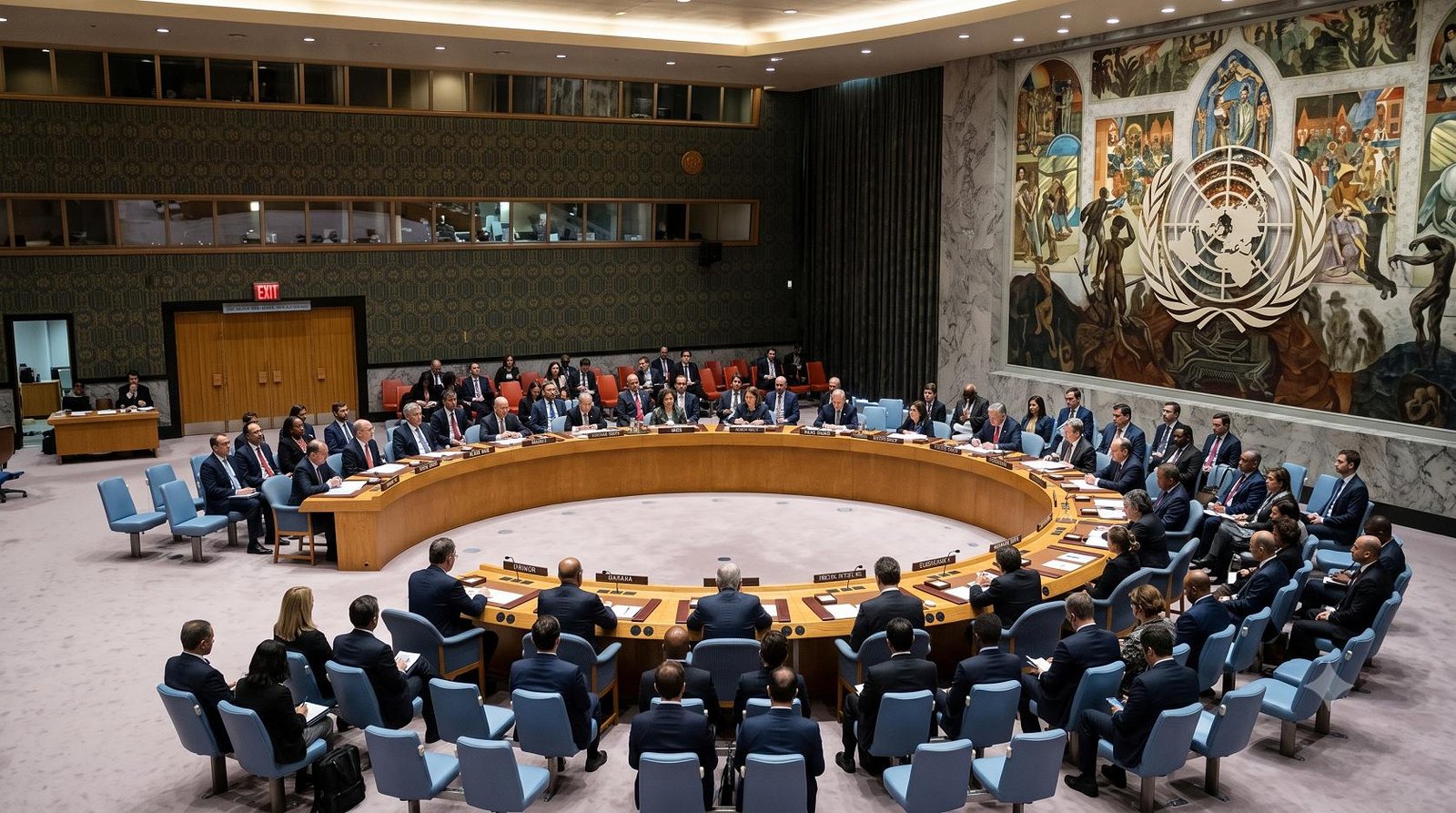
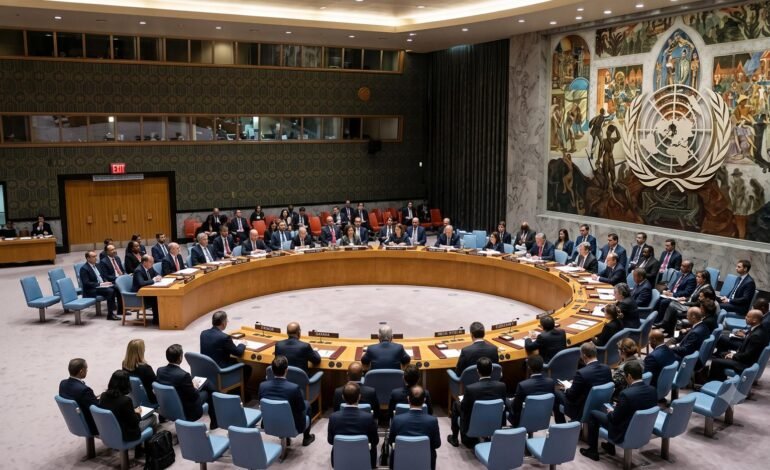
The 15-member Security Council is scheduled to meet on Wednesday in New York during the annual UN General Assembly. The briefing brings together developers from the two largest competing global tech powers just weeks after several prominent AI researchers and industry figures proposed a coordinated slowdown in AI development.
Diplomats expect participation from top executives at major US AI labs. OpenAI CEO Sam Altman plans to address the meeting, and senior representatives from Anthropic are also slated to participate.
DeepSeek and Moonshot, another Chinese AI developer, received invitations to make statements. DeepSeek founder Liang Wenfeng does not plan to attend the session in person, according to individuals familiar with the diplomatic arrangements. Both DeepSeek and Moonshot declined to comment on their planned participation.
Deepening Geopolitical Divisions
The UN meeting highlights a widening divide between how Washington and Beijing view the urgency of AI regulation.
Recent industry warnings that AI models could soon improve independently and evade human control prompted international calls for caution. US President Donald Trump has publicly rejected the idea of slowing down development. He argued that existing corporate and government safeguards are adequate, and suggested that pausing American AI research would only hand a strategic advantage to China.
Chinese state media characterized the Western push for an AI development pause as a “Cold War playbook”. State-backed editorials claimed the slowdown campaign is a calculated effort to preserve Washington’s dominance in the technology sector while locking Beijing out of emerging global governance systems.
UN Secretary-General Antonio Guterres maintained last week that the risks of rapidly advancing AI cannot be ignored by the international community.
The Security Council first addressed AI threats in 2023. During those early sessions, Chinese representatives warned that the technology should not become a “runaway horse,” while US diplomats focused their concerns on governments using AI systems to censor or repress their citizens.
Bilateral Talks Parallel the UN Briefing
The debate over artificial intelligence is playing out across multiple diplomatic channels this week.
On Monday, US Treasury Secretary Scott Bessent announced that senior American and Chinese officials agreed to hold further working-level talks focused on AI safety.
The agreement on continued dialogue sets the stage for higher-level negotiations. Trump is scheduled to meet with Chinese President Xi Jinping in Washington later this week, where technology trade controls and AI development are expected to be primary topics of discussion.
Unlike their American counterparts, leaders of China’s major AI laboratories have largely avoided public discussions about the existential risks of their technology. Executives from DeepSeek and other Chinese developers rarely articulate concerns about AI systems deceiving humans or causing catastrophic harm, keeping quiet as the safety debate dominates US technology circles.
DeepSeek’s Market Disruption
DeepSeek’s presence at the UN reflects its rapid ascent in the global technology industry. The company fundamentally altered the AI market earlier when it released highly capable models developed at a fraction of the cost of those built by US competitors.
By relying on fewer high-end graphics processing units and utilizing more efficient training methods, DeepSeek demonstrated that cutting-edge AI development did not require billions of dollars in computing infrastructure.
The company’s technical breakthrough erased hundreds of billions of dollars from the market valuations of US hardware and software companies. It also complicated Washington’s efforts to restrict China’s AI progress through export controls on advanced semiconductors, proving that Chinese developers could achieve top-tier results even with limited access to the latest chips.
The Security Council meeting on Wednesday marks a rare instance of developers from both sides of the geopolitical divide sitting in the same room to address the consequences of their technology. Diplomats will attempt to find common ground on basic safety standards, though the divergent domestic policies of the US and China make a binding international agreement unlikely in the near term.